Table of Contents
Balayage vs Ombré: the quick answer (in 60 seconds)
If you want a soft, natural-looking dimension that grows out gently, go balayage.
If you want a more obvious gradient from darker roots to lighter ends (that “dip-dye” vibe), go ombré.
Balayage is usually the best choice if you want “expensive hair” with lower-commitment upkeep.
Ombré is the best choice if you want a bolder contrast and don’t mind the ends needing more frequent polishing.
Balayage vs Ombré: comparison table (maintenance, cost, best for, appointment time)
| Feature | Balayage | Ombré |
|---|---|---|
| Best for | Soft, natural dimension and face-framing brightness | A clear dark-to-light fade with higher contrast |
| Maintenance | Low–medium: refresh 3–6 months, toner/gloss every 8–12 weeks if needed | Medium: refresh 3–6 months, ends often need toner/gloss every 6–10 weeks |
| Appointment time | Typically 2–4 hours (depends on lift + hair density) | Typically 2–3.5 hours (depends on blend + desired contrast) |
| Image London cost range (typical) | ~£120–£270+ | ~£120–£270+ |
| Grow-out | Very forgiving (no harsh regrowth line) | Forgiving at the root; ends can look tired sooner |
| Damage risk | Moderate (lightening still affects hair) | Often higher on the ends (they’re lifted more and are the most fragile area) |
Real talk: price and timing swing massively based on hair length/density, previous colour (especially box dye), and how light you want to go.
The key difference: technique vs result
Here’s the core distinction:
- Balayage = a colouring technique (how colour is applied)
- Ombré = a result/finish (what the colour looks like)
You can get an ombré effect using different techniques. Balayage specifically describes the method: hand-painted placement that creates softness and dimension.
What is balayage (in plain English)?
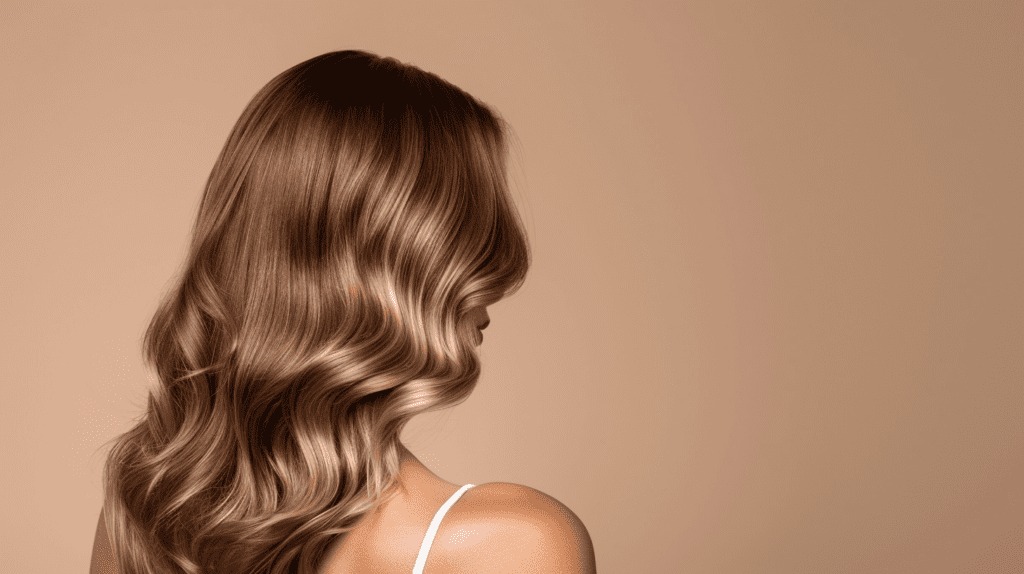
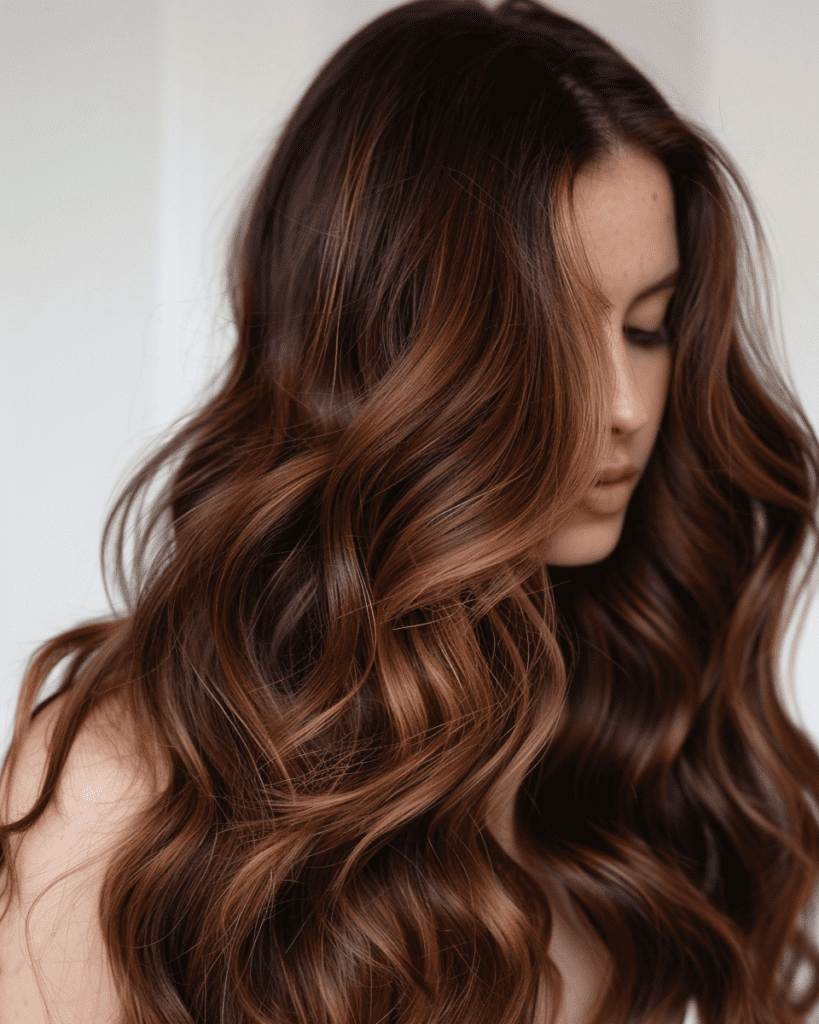
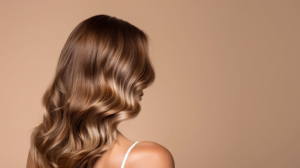
Balayage is hand-painted colour placed where the light naturally hits your hair (think: around the face, through the mid-lengths, and on the ends). It’s designed to look blended, sun-kissed, and lived-in — not stripy or “done”.
What it usually looks like:
- Soft ribbons of lighter colour
- No harsh line at the root
- Natural dimension, especially when styled with movement
If you’re considering it, start here: Balayage & Ombré services page
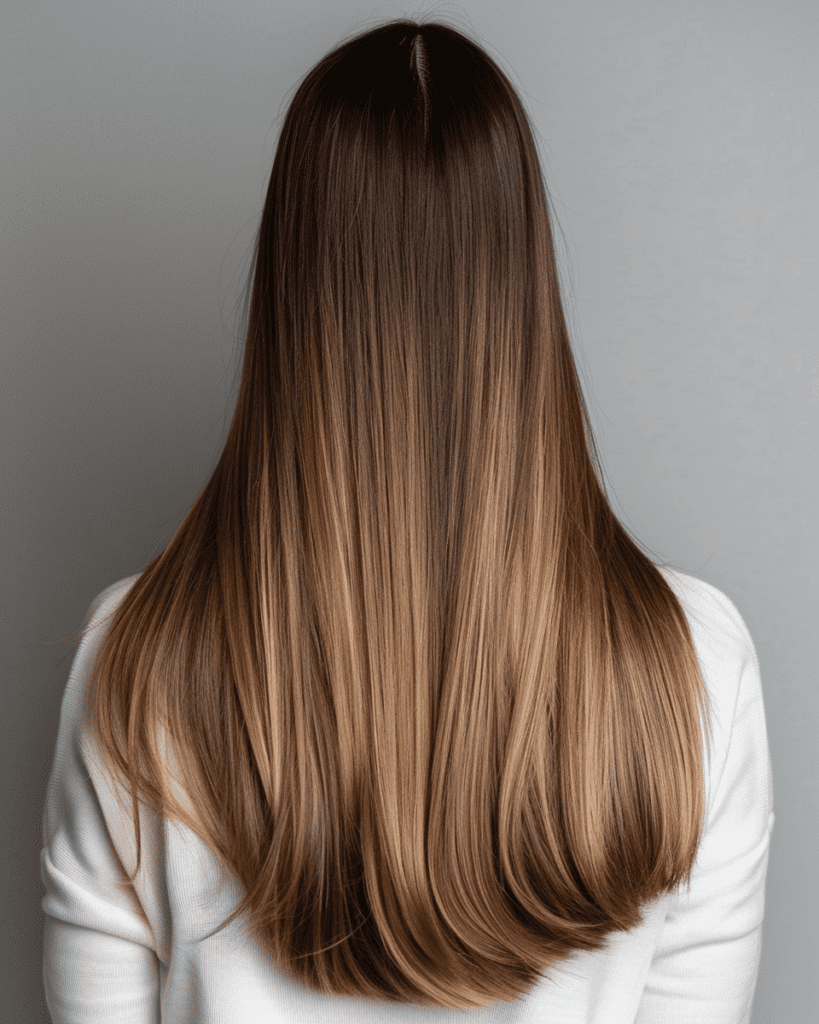
What is ombré (and what it isn’t)?
Ombré is a darker-to-lighter fade, typically:
- darker roots and mid-lengths
- lighter ends
- a noticeable gradient
What ombré isn’t:
- It’s not automatically “stripy” (unless it’s poorly blended)
- It’s not the same as highlights (highlights are placed throughout; ombré is more of a transition)
- It’s not always extreme (when it’s subtle, it’s often called sombré)
Want this look? Balayage & Ombré services page
Sombré, foilyage, babylights, highlights: where they fit
These terms get thrown around a lot, so here’s the cheat sheet:
- Sombré: “soft ombré” — a gentle gradient, less contrast, more blend
- Foilyage: balayage placement but with foils for extra lift (brighter results, great for darker hair)
- Babylights: ultra-fine highlights for a very natural, bright look
- Highlights: lighter strands from root to ends; bold or soft depending on thickness/tone
They’re not competing trends — they’re tools. A good colourist often mixes them to match your hair and your goal.
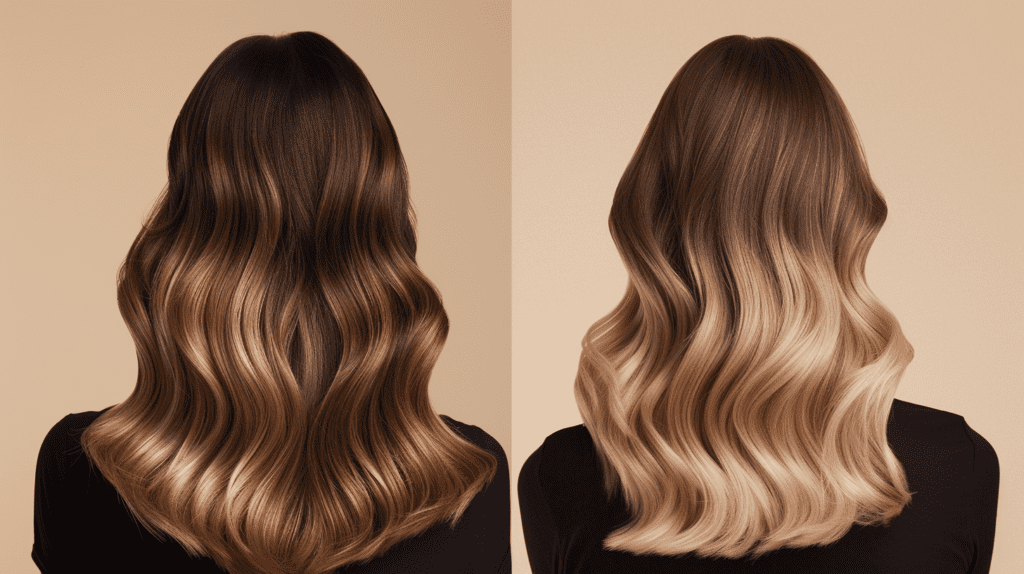
Balayage vs ombré: side-by-side (how they actually look)
Balayage
- Look: soft, dimensional, natural
- Root: blended, low line of regrowth
- Best for: “expensive hair”, face-framing brightness, movement
- Grow-out: very forgiving
Ombré
- Look: gradient from darker to lighter, more contrast
- Root: stays darker by design
- Best for: bold change, lighter ends, statement colour
- Grow-out: forgiving at the root, but ends may need refresh sooner
Which suits you best? A quick decision guide
Choose balayage if:
- You want natural-looking brightness
- You don’t want obvious root regrowth
- You prefer lower maintenance
- You want dimension (especially great for fine hair)
Choose ombré if:
- You want a noticeable fade/contrast
- You like the idea of darker roots with brighter ends
- You want a bolder, more editorial look
- You’re happy to keep the ends polished with toning/trims
Can’t decide? Ask for sombré (it’s often the safest “best of both worlds” option).
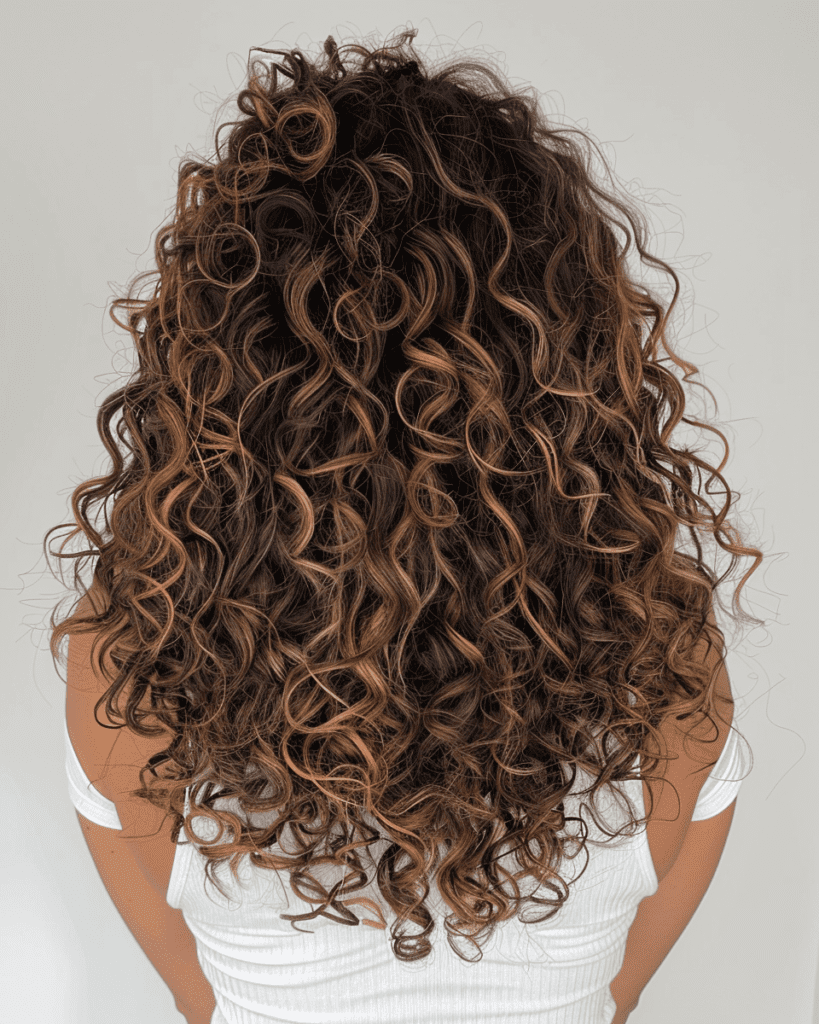
Best choice by hair type and density (fine, thick, curly, coily)
Fine hair
- Balayage usually wins: dimension makes hair look fuller
- Ombré can sometimes make ends look thinner if they’re very light
Thick hair
- Both work brilliantly
- Thick hair holds a strong gradient well (ombré), and balayage breaks up heaviness nicely.
Curly/coily hair
- Balayage can be stunning because placement can be tailored, curl-by-curl
- Ombré also works, but the fade must be planned around shrinkage and shape
Best choice by hair length and haircut (bob, lob, long layers)
Short (bob)
- Balayage is usually more flattering
- Ombré can look “cut off” without enough length to blend properly
Lob
- The sweet spot for both
- Balayage looks modern and blended; ombré can look sharp and editorial
Long layers
- Both shine here
- Ombré looks dramatic when the blend is perfect
- Balayage looks effortless and dimensional, especially with waves
Best choice by base colour (blonde, brunette, black, red)
Blonde
- Balayage adds dimension, so blonde doesn’t look flat
- Ombré works if you want brighter ends or a more noticeable fade
Brunette
- Balayage is brilliant for caramel/honey face-framing brightness
- Ombré can be stunning, but may need foils or multiple sessions to lift cleanly
Black hair
- Looks best with subtle, rich tones (espresso-to-mocha) unless you’re committing to a journey
- High lift takes planning — don’t rush it
Red
- Balayage makes red look multi-tonal and glossy
- Ombré is great for copper ends with deeper auburn roots — but maintenance matters
Skin tone and undertone: picking the right tone (warm/cool/neutral)
This is where a “nice colour” becomes your colour:
- Warm undertones: honey, caramel, golden blonde, warm copper
- Cool undertones: ash blonde, beige, mushroom brunette, cooler chocolate
- Neutral undertones: you can wear both — choose based on how bold you want it
Simple rule: if your hair pulls brassy easily, you’ll likely need cooler/neutral toning.
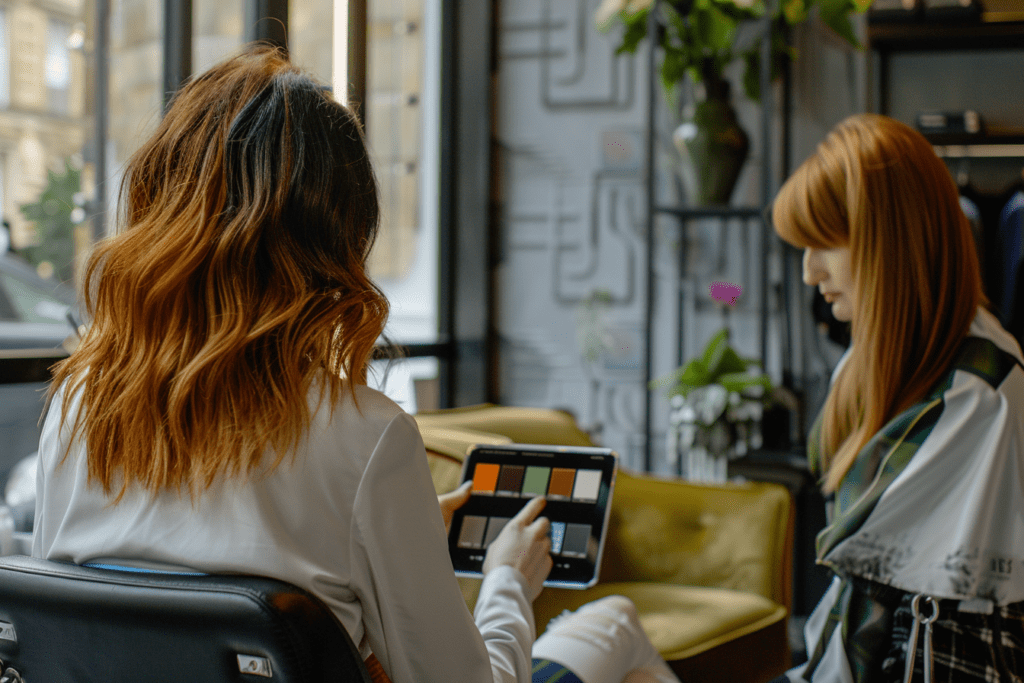
What you should ask for at the salon (so you don’t get the wrong thing)
Say what you want to look like, not just the technique name.
Ask for:
- “Soft, blended dimension with no harsh root line” (balayage direction)
- “A noticeable gradient from darker to lighter ends” (ombré direction)
- “Face-framing brightness, but keep it natural”
- “I want it to grow out nicely for X months”
- “I’m okay / not okay with warmth”
- “I style my hair straight/wavy/curly most days”
Bring 3–5 photos:
- 2 that are your dreams
- 1 that shows what you don’t want
- 1 with hair similar to yours (density + texture)
UK trust markers: patch test, consultation expectations, and dark-to-light timelines
Patch tests (UK reality):
Some UK salons may request a patch test before certain colour services. At Image London, a patch test is not required for balayage/ombré packages, but we’ll always do a proper consultation and hair history check so the plan fits your starting point and hair condition.
What a proper consultation should include:
- Your hair history (box dye, henna, previous highlights, keratin treatments)
- Condition check (elasticity, dryness, breakage risk)
- A plan for tone (cool/neutral/warm)
- Maintenance expectations (how often you’ll realistically come back)
- A rough timing + cost estimate
Dark-to-light: realistic timelines (no fantasy promises):
If you’re brunette/black (especially with old dye), getting to bright blonde ends safely is often a multi-appointment journey. Expect anything from 2–4+ sessions, depending on your starting point and hair integrity. If a colourist promises “platinum in one go” on previously dyed dark hair, they’re either reckless or lying.
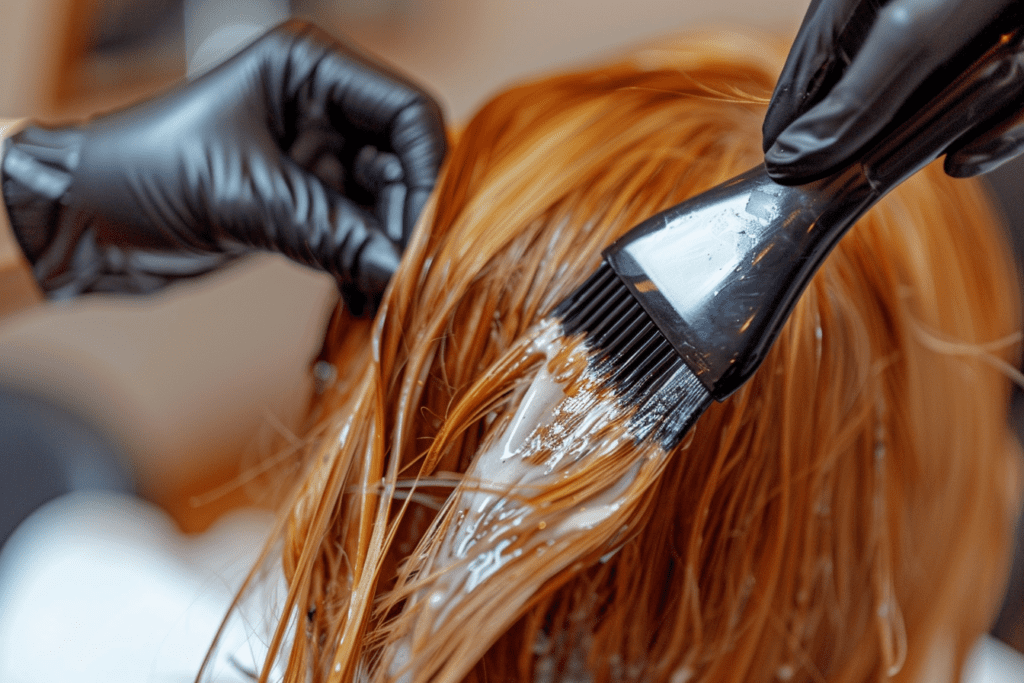
What happens during a balayage appointment
Typical flow:
- Consultation + colour history check
- Sectioning and hand-painted placement
- Processing time (varies by lift needed)
- Rinse + treatment
- Toner/gloss for the finished shade
- Cut/style (where the colour really pops)
What happens during an ombré appointment
Typical flow:
- Consultation: How bold is the fade?
- Lightener applied mid-lengths to ends (often with teasing/backcombing for softness)
- Processing
- Rinse + toner/gloss to perfect the gradient
- Optional root melt/shadow root to blend the top
Ombré lives or dies on the transition area. A harsh line = not it.
Balayage vs ombré maintenance: regrowth, toners, and top-ups
Balayage maintenance
- Root regrowth is usually soft and forgiving
- Toner/gloss keeps it looking fresh
- You may only need a full refresh a few times a year
Ombré maintenance
- Roots are naturally darker, so regrowth is easy
- Ends can get dry and may need regular glossing and trims
- The brightness at the bottom often needs a refresh sooner than you expect
Want that “freshly-toned” finish? Balayage & Ombré services page
Costs: what affects the price (and why cheap colour is expensive later)
Price changes based on:
- How dark you’re starting
- How light do you want to go
- your hair length and density
- correcting old colour (box dye, banding, uneven tones)
- technique complexity (foilyage, colour melt, root shadow)
- toner(s), treatments, and time
Cheap colour often means:
- rushed placement
- under-toned brassiness
- damaged ends
- expensive correction later
If you’re investing in colour, invest in the person — not the discount.
How long do balayage and ombré last?
- Balayage: often looks great for 8–14 weeks (sometimes longer)
- Ombré: also 8–14 weeks, but ends may need glossing and trims sooner
The real timeline depends on:
- shampoo habits
- heat styling
- water quality (hard water is brutal)
- using the right home care
Common mistakes that ruin balayage
- Asking for balayage when you actually want full highlights
- Going too light too fast on dark hair (brass + breakage)
- Skipping toner/gloss (it won’t look polished)
- Overdoing purple shampoo until it looks dull/grey
- Not getting face-framing brightness when you wanted it
Common mistakes that ruin ombré
- A harsh line where dark meets light
- Too much contrast for the haircut/length
- Ends lifted too far and left fragile
- “Orange ends” because the lift wasn’t controlled
- No root shadow/melt when it needs blending
Can balayage and ombré be done together?
Yes — and it’s common.
You can use balayage placement to create dimension and aim for an ombré-style result with a soft gradient. The magic combo is often:
- shadow root/root melt
- balayage ribbons
- brighter ends
- a gloss to unify everything
If your hair is already coloured (box dye, highlights, brunette-to-blonde)
Be honest about your hair history. Always.
- Box dye: can block lift and cause patchy results. You may need colour removal + multiple sessions.
- Old highlights: can create banding; may need re-placement and toning
- Brunette to blonde: usually a journey, not a single appointment — especially if you want it healthy
How to keep it looking expensive at home (the non-negotiables)
- Use a colour-safe shampoo (stop nuking your toner with harsh clarifying products)
- Heat protection every time you use hot tools
- Weekly mask (especially if you’ve lightened)
- Gloss/toner appointments when it starts to look dull
- Regular trims to keep ends looking thick and polished
- Consider a shower filter if you’ve got hard water (massive difference for brass + dryness)
“Expensive hair” is mostly maintenance and shine.
Best hairstyles to show off balayage vs ombré
Balayage looks best with
- soft waves
- layered cuts
- textured blow-dries
- half-up styles that show dimension
Ombré looks best with
- sleek straight hair (shows the gradient clearly)
- big bouncy curls (shows contrast)
- high ponytails (roots vs ends pop)
- braids (the fade looks unreal)
FAQs about balayage vs ombré (search-focused)
Balayage is the technique (hand-painted placement). Ombré is the finished look (a dark-to-light fade).
If you want softer grow-out and a more natural finish, yes — balayage is often the better choice. If you want obvious contrast and brighter ends, ombré can be the better match.
Most people can go 3–6 months between major refreshes, but toning/glossing may be needed every 8–12 weeks, depending on tone and home care.
Similar overall (3–6 months), but the ends often need glossing sooner to stop them looking dry or brassy.
Commonly £120–£270+, depending on length/density, location, and how much lifting is required.
Not automatically, but ombré often lifts the ends more heavily, and ends are the weakest part of the hair, so the risk can be higher without proper care.
Yes, but “dark to bright blonde” is often multi-session, especially if you’ve got old dye. Clean lift takes time.
Highlights = brighter from root to end (more maintenance). Balayage = softer and lived-in. Ombré = bold gradient. Choose based on how natural vs dramatic you want it and how often you’ll maintain it.
Almost always, yes. Toner/gloss is what makes lightened hair look polished instead of brassy.
Book Your Beautiful Balayage Today
Related Posts You Might Love
| Feature | Balayage | Ombré |
|---|---|---|
| Best for | Soft, natural dimension and face-framing brightness | A clear dark-to-light fade with higher contrast |
| Maintenance | Low–medium: refresh 3–6 months, toner/gloss every 8–12 weeks if needed | Medium: refresh 3–6 months, ends often need toner/gloss every 6–10 weeks |
| Appointment time | Typically 2–4 hours (depends on lift + hair density) | Typically 2–3.5 hours (depends on blend + desired contrast) |
| Image London cost range (typical) | ~£120–£270+ | ~£120–£270+ |
| Grow-out | Very forgiving (no harsh regrowth line) | Forgiving at the root; ends can look tired sooner |
| Damage risk | Moderate (lightening still affects hair) | Often higher on the ends (they’re lifted more and are the most fragile area) |